
Communication, Connection & Courage — Things I've Learned the Hard Way
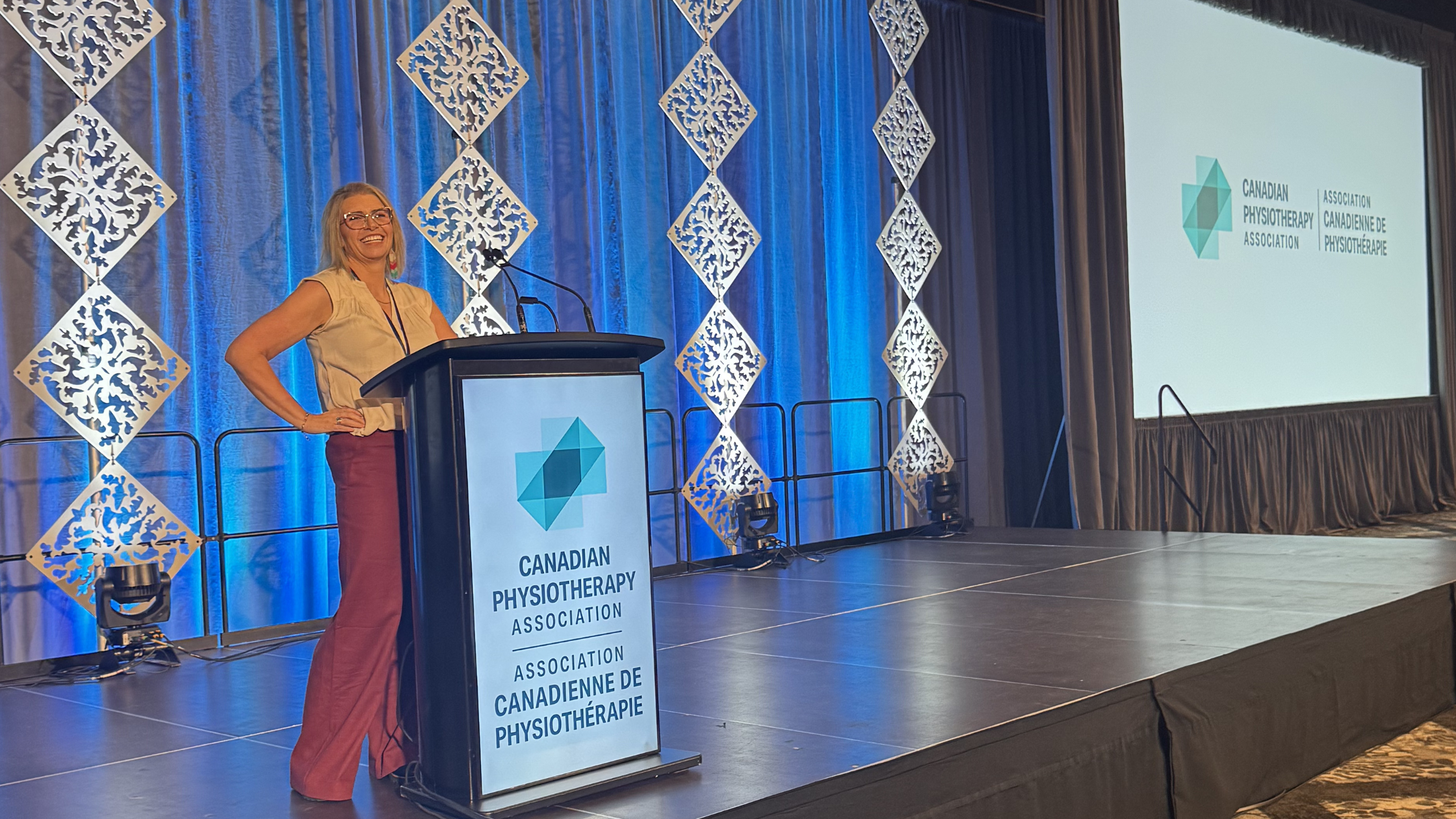
Let me start with a story.
When I first came to Canada and started working in a clinic in Nova Scotia, a colleague walked past me one day and said "love your pants."
And I nearly died.
Because in Scotland, pants are very much the thing you wear underneath everything else. Not something you casually compliment a colleague on in a hallway.
That moment taught me something I've never forgotten — communication is SO much more complicated than we think it is. And I've been fascinated by it ever since.
What Communication Actually Is
The research tells us communication is shared understanding. Simple, right?
Except it's not. At all.
If I asked ten people to describe the colour of my shirt we'd get ten different answers. We bring our own biases, our own assumptions, our own stories and our own meanings to every single interaction. And then we wonder why things get lost in translation.
I've been in Canada for 18 years and I still get blank stares when I say something is "drinking" — which, for the record, means miserable. As in the weather. Not me. Usually.
The Three Things That Matter Most
When I talk about communication — and I do talk about it, a lot, ask anyone who knows me — I always come back to three things. Connection. Culture. Courage. And here's the thing — you cannot separate them.
You need courage to build connection. You need connection to build culture. Pull one out and the whole thing falls apart.
Connection starts with being authentic. And I know, I know — buzzword alert. But I genuinely can't find a better word for it. Be real. Be you. Not the polished, perfectly curated version of you. The actual you. The one with opinions and bad days and a husband who occasionally gets very sharp texts from you in the morning. Not that I know anything about that.
Research shows that when we bring ourselves to work — our actual selves — we see less burnout. That's not a feeling. That's statistics.
Culture is not your mission statement. It's not the laminated poster on the break room wall. Culture is how you feel on a Sunday night about going to work on a Monday. We've all had the dread. We've all had the job that gave us the dread. And we all know why we stayed too long.
True happiness at work comes from being valued. Not just employed. There's a difference and everyone in every workplace knows exactly what that difference feels like.
Courage is the hardest one. It's having the conversations you'd rather avoid. It's giving honest feedback. It's asking the question instead of ruminating for 25 minutes and deciding everyone else is the problem. It's saying "I don't know" when you don't know — even when you're the one in charge.

The Forks
One of my favourite analogies is what I call the forks. How many forks do you have available to you today? Some days I have ten. Some days I have two. And on the two fork days I tell my team — I'm sorry, my capacity isn't great today. Unless the building's on fire, can we save it for tomorrow?
That's not weakness. That's honesty. And it gives everyone else permission to do the same.
Because I can't show up with two forks and expect everyone else to have ten.
The Thing About Feedback
Nobody loves giving tough feedback. Nobody. If you say you do I don't believe you.
But avoiding it is so much worse. Silence in a workplace is one of the most damaging things I've ever witnessed. That horrible feeling of not knowing where you stand, of walking on eggshells, of never quite knowing what's going on — that's what happens when we stop communicating honestly.
Feedback should be about impact, not identity. It should be consistent and regular. And before you give it — check yourself. Make sure you actually know what happened. Because we are remarkably good at twisting things to fit the story we've already decided is true.
Get curious before you get judgmental. Ted Lasso said it best — be curious, not judgmental. I am working on this every single day. Ask me how it's going.
What I Know For Sure
I am not a perfect communicator. You can absolutely ask my husband about that. But I am an intentional one. And that's the goal — not perfection, but intention.
People don't remember what you said. They don't remember what you did. They remember how you made them feel.
Choose your words. Choose your tone. Show up as yourself. And if you only have two forks today — just say so.
We're all figuring this out together. 💎
Nicola Robertson, Registered Physiotherapist
Diamond Physiotherapy | Belleville, Ontario
Real talk. Real progress. Real empowerment.